Welcome to Shia Rights Watch

spot_imgspot_imgspot_imgspot_img
Home Blog Page 19

Incidents of Anti-Shiism in May 2018

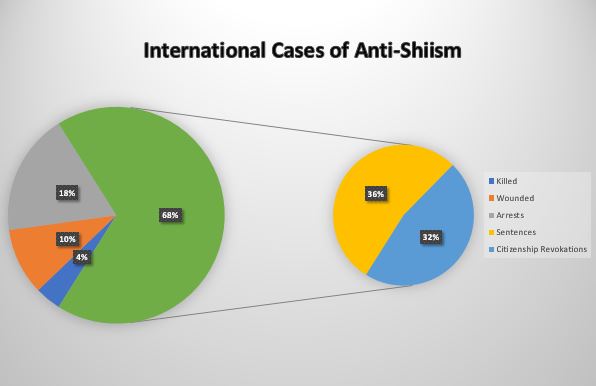
At 412 cases of violence against Shia Muslims, anti-Shiism continues to thrive in May. In the nations of Bahrain, Iraq and South Africa in particular, Shia Muslims face violence by their religious identity.  

The month of May coincides with the holy month of Ramadan. Given trends of anti-Shiism in the past five years, Shia Muslims face great danger in the month of Ramadan as extremist organizations find fertile opportunities for targeting mass numbers of Shia individuals.

Incidents of anti-Shiism in May shed light on existing cultural discrimination and ostracization of Shia Muslims in different regions of the world, namely, the nations of Bahrain and South Africa.


Bahrain

In May, Taiba Darwish and Zainab Makki were released from detainment. Darwish was released after three years in Bahraini prison on charges of opposition. Makki’s release comes after ten months- her case continues to be processed in the court system.

Despite the recent releases, the ever-prospering cultural and systematic discrimination that thrives in the Kingdom of Bahrain has caused an outcry in the Shia Muslim community. Seven years following the inception of the pro-democracy movement, sources report worsening living conditions for nationals. Both the conditions of activists and the conditions of civilians deteriorate in the wake of increased government anti-Shiism.

Ratification of new laws proves harsh sentencing for crimes only Shia Muslims are accused of. Late in the month, the Bahraini Cabinet approved the change of punishment for possession and use of “flammable containers for threatening…” The punishment was increased to imprisonment for ten years. Shia Rights Watch notes a trend in increased harshness in punishment for charges mainly used against Shia Muslims, charges by which Bahraini officials have no evidence of. 

Another restrictive measure taken in May is the approval of a bill preventing members of opposition groups from participating in elections by the Bahraini parliament. The bill awaits ratification by King Hammad bin Isa al-Khalifa.

Recruitment of foreign workers despite existing Bahraini workforce has not only changed the nation’s demographics, but it has also augmented unemployment rates. Late this month, the Ministry of Health announced employment of 70 medical doctors, a mere 18% of the total number of unemployed doctors reported by the ministry itself. It is important to note that unemployment rates among Shia Muslims are quadruple that among non-Shia Bahraini nationals.

Educated Bahraini elites report a severe lacking in job opportunities for them in the nation despite existing job positions. Some have settled for underpaid work positions while many have left Bahrain.

Changes in Bahraini immigration patterns and foreign worker enlistment serves not to better the Kingdom but to systematically limit the Shia population in the nation.

Shia Rights Watch raises concerns over growing restrictions that limit Shia Muslims from being active members in their homeland. Almost a decade after the strive for increased rights, life in Bahrain has yet to improve. Shia Rights Watch calls for increased international involvement in Bahrain can be found at ShiaRightsWatch.org.

Nigeria

Protests continue in response to the lack of justice for Sheikh Ibrahim Zakzaky, one of Nigeria’s most prominent Shia figures. Shia Muslims in Nigeria gathered meters away from the National Assembly outside the National Secretariat Complex to raise awareness for the arrest of Sheikh Zakzaky and the failing state of Shia in Nigeria. However, contrary to their peaceful demeanor, protestors were met with utmost violence as police forces arrested 60 individuals, injuring 20 others by using excessive force.

Those arrested face harsh conditions of Nigerian detainment centers. They are further met with discrimination, and unjustified limitations in rights as the nation are home to extreme anti-Shia sentiment.

Detainment of Sheikh Zakzaky continues. His arraignment has been adjourned to June 21.

South Africa

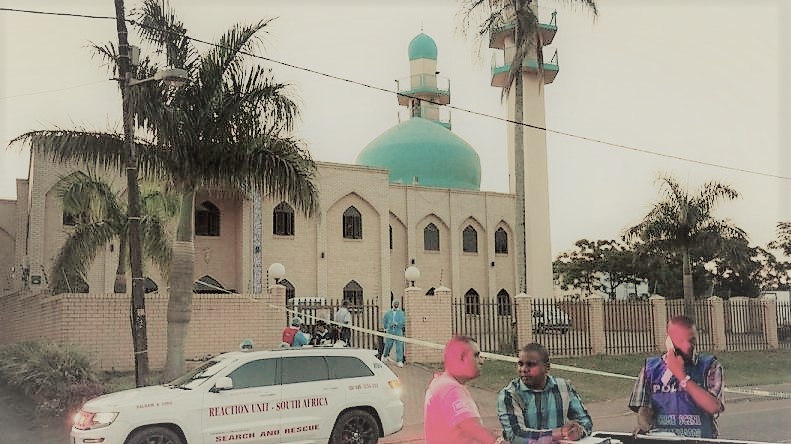
On the tenth of May, two individuals attacked Imam Hussain Mosque close to Durban, South Africa with a machete killing the religious leader of the mosque and injuring two others.  Four days later, a bomb was found underneath the religious speaker’s chair. The device was a phone attached to a “capsule via two cables.” The device was neutralized before its detonation. Sources report the attackers spent days surveying the mosque as they posed as a member of the community.

Shia Muslims make up 3% of the South African population. With over 200 non-Shia Muslims religious centers in the area,  the targeting of the only Shia center and the extent of the violence used by the assailants note extreme anti-Shiism.

South African Shia note that anti-Shia sentiment in the area is not new but is exhibited prevalently. Local sources report entities announcing to boycott Shia lead businesses. Postings such as “If you kill a Shia you go straight to heaven” are put on Facebook accounts and aired on local radio talk shows.  

Threats to Imam Hussain Mosque awakened outcry of Shia and non-Shia communities. Amid fears of sectarian violence, non-Shia entities in South Africa took to disown a media posting in circulation that encouraged targeting of Shia Muslims. The post began: “When walking in the street, or in public places, it’s becoming increasingly important to become vigilant as to who may be a Shi’ah, and who may be not. Here are some general guidelines…”

Acknowledgment of anti-Shia posts points to the fact that non-Shia entities in the area were aware of propagation of hatred against the Shia community and yet they did not act to prevent escalation of anti-Shia sentiment into direct violence.

Recent events in South Africa point to a lack of preventative measures for anti-Shiism. Hate-driven sentiment such that of media posting calling for the identification of Shia Muslims creates fertile grounds for direct violence against this community. Given the mass reaction to attacks to Imam Hussain Mosque, Shia Rights Watch notes that anti-Shiism in this region has been recognized by all, yet no action to promote peace has been taken by community leaders.

Shia Rights Watch calls upon local South African leaders to initiate dialogue and peace – management opportunities in their area with aims of eliminating anti-Shiism.

Iraq

May coincided with the start of the holy month of Ramadan. Trends of violence in Iraq continue as they have in previous years in that extremist organizations continue to target Shia Muslims. On May 23rd, a bomber detonated his explosive device at the entrance of Saqlawiyah park in Baghdad killing seven and injuring 16 others. The park is famous for post-Iftar (breaking of fast) outings. The analysis shows the placement of the bomb was strategically located in an area densely populated with Shia Muslims.

The explosion was similar to that of May 2017 in which as detonation in Karrada Baghdad, mid-Ramadan, in which 80 were killed.

Terror organizations such as ISIS continue to target Shia individuals

Ahmed Haseeb and Noor Behjat- ISIS Footage

traveling to and from Iraq. Ahmed Haseeb and his nephew Noor Behjat, two Swedish nationals of Iraqi ethnicity were beheaded by ISIS extremists in a video published by the group. The pair were kidnapped on their way to the airport in Baghdad in December while on pilgrimage.


In comparison to May 2017, Shia death in Iraq has reduced parallel to the overall violence in the nation. While widespread annihilation of Shia populations by extremist groups such as ISIS has diminished, isolated incidents of violence point to existing anti-Shia sentiment amongst extremist organizations active in the nation.


Conclusion

The first five months of 2018 stood witness to 2,573 cases of anti-Shiism. Incidents include death, detention, discrimination, and denial of freedoms systematically or culturally. Anti-Shiism is a conflict at an international scale, affecting both political and grassroots dynamics. Further, the lack of justice for victims of violence have created opportunities for even more targeting of Shia Muslims. Shia Rights Watch calls upon grassroots organizations to work within local communities to battle hate-driven sentiment against all minority groups and invites international efforts to eliminate anti-Shiism worldwide.


Pakistan’s First Steps Against Anti-Shiism

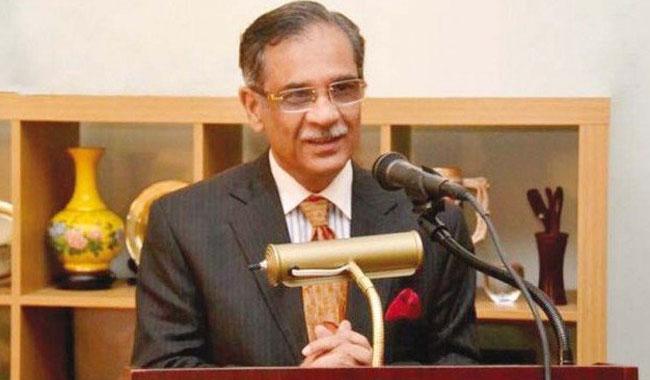
“If the government cannot ensure security for the Shia Muslims then it must devise mechanisms to ensure their survival,” stated Mian Saqib Nisar, the Chief Justice of Pakistan on May 2, 2018. The statement came after the submission of a report detailing the death of 399 Hazara Shia in Baluchistan since 2011.

The Hazara ethnic group is mostly Shia Muslim originating from Hazarajat, Afghanistan. Post-1880’s, Hazara Shia fled their land in fear of persecution by King Abdurrahman who during his reign enslaved and killed thousands of Shia Muslims. Many took refuge in Baluchistan.  However, contrary to their expectations, the Hazara faced discrimination. They were, and continue to be targets of violence by extremist groups.

In the hearing, the Hazara community was represented by Iftikhar Ali. Ali expressed the lack of safety Shia Hazara face and the hardships which forced their population to flee their homes once again.

Justice Nasir ordered a systematic review of the government entities under his rule to “submit a report detailing the issue,” He continued, “We are responsible for ensuring the safety of life and property of the Hazara community.”

Shia Rights Watch honors Justice Nisar for his recognition of the detriments Shia Hazara face and the initiative he has taken to create stop violence against this community.

In the past, anti-Shiism in Pakistan has gone unnoticed. Victims of violence were robbed of their peace of mind, and they continued life knowing perpetrators of anti-Shiism wonder their neighborhoods. Justice Nisar’s efforts are an initiation to retribution for Shia Muslims in Pakistan.

Shia Rights Watch thanks the Justice and all those who stand by his side for taking long overdue steps towards justice.

Ramadan Kareem

Shia Rights Watch extends its warmest Ramadan wishes to the Muslim nation. May this holy month be the month of illumination for our hearts and the source of our guidance.

Ramadan is the month of mercy and prosperity for all. Those who serve to promote peace in their larger communities are met with Allah’s highest blessings.

Shia Rights Watch works assiduously to educate with aims to prevent human rights violations and promote pro-humanitarian efforts. Be it at international congregations such that of the United Nations headquarters in Geneva or by working with grassroots organizations in your nations,  Shia Rights Watch serves to ensure justice for minority populations.

This Ramadan, Shia Rights Watch asks for your support and cooperation in the promotion of justice and human rights for all Shia Muslims around the world. Join us in our efforts by working to reduce anti-Shia discrimination and hate-promotion.

This holy month should serve as a time of unity for people everywhere as we journey towards a more peaceful and equitable society. Shia Rights Watch invites Muslim states to join us in this cause by ensuring that all within their borders respect the fundamental human rights of their fellow citizens, including Shia Muslims.

Cultural to Direct Violence: Opportunities for Prevention Ignored

For decades, Shia Muslims have lived under fear of identification by their religion. Ethnically distinct groups such as the Hazara, who are physically distinguishable and recognized as Shia Muslims have seen a 58% reduction in their population since the 18th century. Other groups such that of the Shia living in Saudi Arabia take to blend into their larger anti-Shia society in fear of discrimination. Thus, having a public Shia identity can be troublesome for many Shia Muslims.

Recently, the light was shed on the existence of a media post that incited discrimination against Shia Muslims. The post calls for the identification of Shia Muslims, and their social and physical tendencies (such as “how Shia women wear their scarf” and the length of a Shia man’s beard). The post begins, “When walking in the
street, or in public places, it’s becoming increasingly important to become
Vigilant as to who may be a Shi’ah, and who may be not. Here are some general
guidelines…”

The existence of the post was brought to light by the recent attack on May 10th when three men armed with machetes attacked the Imam Hussain Mosque in Durban, South Africa. The religious
the leader was killed, and mosque attendees were injured. Targeting of
the mosque continued into the following week when a bomb was found strapped
Under the Imam’s chair. The weapon was neutralized before taking any lives.

Recognizing the targeted means of the attack, non-Shia entities in the area stumbled to dissociate themselves from violent acts of anti-Shiism. They took to claim a lack of involvement to an anti-Shia post circulating in social media and chat-platforms.

Some sources in South Africa state the post has been circulating since January 2018 yet no one had taken steps to stop its circulation. It’s condemnation only occurred after violence erupted.

It must be noted that cultural violence in the form of discrimination and social injustice is the basis for violence which continues to lead to the loss of Shia lives.

The reality is that this post is not the first of its kind. The recent attacks on Imam Hussein Mosque in Durban South Africa shed light on the systematic cultural violence Shia Muslims face. Not only do Shia Muslims have to bear anti-Islam bigotry, but they are also victims of anti-Shia violence.

The spotlight newly held on anti-Shia propaganda in private non-Shia groups, virtual or in physical presence, calls for increased awareness for humanitarian activists. It acts as a reminder that a lack of direct violence is not a sign of peace. Anti-Shia rhetoric plagues non-Shia communities in and out of the Middle East, and until platforms that fuel discrimination are recognized and brought to justice, anti-Shiism will continue to prosper and will escalate to targeting and killing of Shia Muslim communities.


Bahrain: 7 Years Later

Over seven years have passed from the first Bahraini cries for reform. Like any other attempt at a revolution, reflection becomes easier as time passes. Bahraini advocates and active members of the revolution are now beginning to evaluate the crisis at hand.

Blossoming of the Arab Spring in Bahrain began as a call for democracy by Bahraini’s from all walks of life. People gathered around Pearl Roundabout and demanded increased rights from their monarch. The Shia majority demographic of Bahrain would naturally allow for more Shia revolutionaries, but the reform seeking demands were not a Shia versus the State- everyone sought to change.

However, as the government crackdown on protests increased and violence erupted, Shia Muslims stood stoutly while their non-Shia Bahraini peers succumbed to pressure. And now, seven years later, Shia Muslims have been the most affected.  Arrests of under-aged minors, women, and children augmented anti-monarchy, and thus more protests were held. Anti-reform violence and civil demonstrations positively reinforced each other; each one step bigger than the other.

Now, Bahrain is no longer what it used to be. Massive recruitment of foreign workers from India, Pakistan, Syria, and Yemen along with profound de-nationalization and emigration of Bahraini nationals have changed the national demographics. Public institutions are operated by Shia Bahraini’s, a proportion far less than that in Bahrain pre-Arab Spring.

Unemployment rates are the highest in Shia communities. Hundreds of educated Bahrainis are either jobless or forced to fill underpaid jobs they are overqualified for. The average retiree age in the monarch is 30 as many choose to live with primary retirement funds than life with no income.

Moreover, many Bahraini’s are choosing to move out of Bahrain. Some leave because they are no longer considered Bahraini nationals due to citizenship revocation. Others go because the can no longer bear the glass ceiling supported by increased hatred and discrimination against for individuals of the Shia faith.

Almost a decade after the strive for increased rights, life in Bahrain has yet to improve. Looking back, it is now more than ever essential to remember the lives lost as a result of government-sponsored violence and to renew faith in those living undetermined terms in detainment. Humanitarian organizations must come together to work at grassroots, national, and international levels to ease hardships faced by Bahraini Shia. Most importantly, however, the global Shia community must stand together in empowerment.

Incidents of Anti-Shiism in March, 2018

Incidents of Anti-Shiism in March 2018

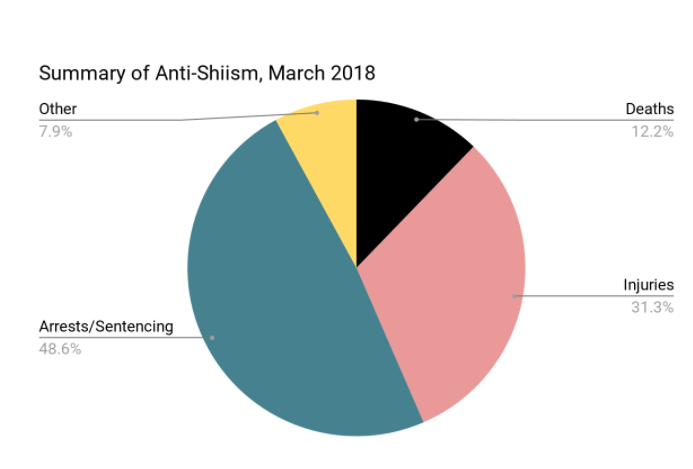
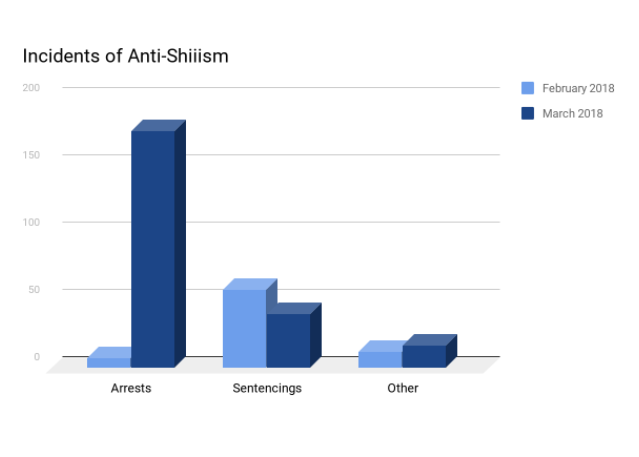
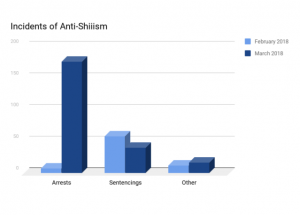
February’s lower turnout of anti-Shiism did not last long, as March totaled an additional 113 incidents of anti-Shiism to last month’s 359, amounting to 472. The spike in occurrences can be attributed mainly to a mass number of arrests in Bahrain and a sharp increase in Shia casualties in Afghanistan due to a rise of extremist cells in the country. The month of March resulted in 60 deaths and 154 injuries, averaging 7 people critically injured or murdered every day this month. 197 Shia Muslims were arbitrarily arrested this month, and 40 people were sentenced to prison on the basis of fabricated allegations, averaging 8 incarcerations each day as well. 19 other anti-Shia related incidents occurred this month including but not limited to, vandalization of mosques, attacks on freedom of speech and expression, prison punishment, coerced confessions, and denial of citizenship or nationality. Overall, the number of anti-Shia incidents averaged around 15 every day, shedding light on the severity of the wrongful persecution with which the Shia population is burdened.

Bahrain

This month in Bahrain, the Shia population saw more than two times the amount of anti-Shiism than it experienced last month in February. Bahrain saw a total of 234 anti-Shia incidents this month, more than 3 times that of February. With an astounding spike of 176 arbitrary arrests, 40 unlawful prison sentencings and a number of reported cases of prisoner abuse and attempts by the regime to thwart freedom of speech and expression, Bahrain’s Shia population was directly faced with a stark reality that their hopes of living freely without discrimination remain not quite yet in reach. 
March began with the sentencing of 2 individuals on false allegations of traveling to Iran and receiving training from Iran’s Revolutionary Guard. Each were sentenced to 7 years in prison, and their Bahraini citizenship was stripped, adding to the issue of Shia statelessness so prominent in Bahrain due to the Regime’s efforts to retain power through a corrupt political system. Iran denied the allegations and claimed that they were fabricated.

A day later, 116 Bahraini Shia was arrested on the same false accusations of terrorism and traveling to Iran to receive training from the Iranian Revolutionary Guard, however, sentences have yet to be imposed.

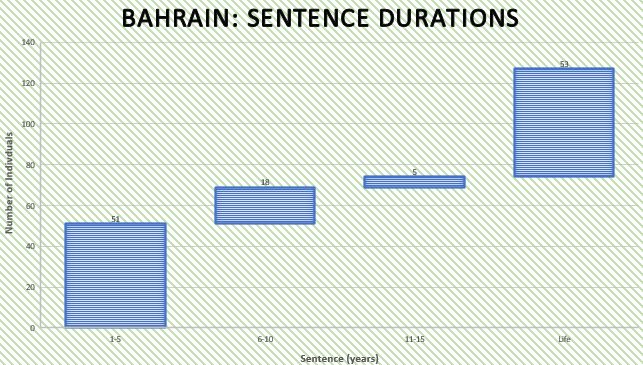
March 7th saw the sentencing of 17 more Bahraini Shia in 3 separate cases of unfounded terrorism charges, revoking the citizenship of 14 and leaving them stateless. Of the 17, 1 was given the death penalty, 9 were sentenced to life imprisonment, 5 were handed 15 year sentences, 1 was given 10 years, and another faces 6 months in prison on the charge of “illegal gathering”, a punishable crime that the government of Bahrain uses to prohibit its Shia population from participating in both religious gatherings and protests against the injustices they face.

Within a week, 10 more Bahraini citizens had been sentenced to prison on similarly groundless allegations of terrorism. 6 of them are facing life imprisonment, and 4 are facing 3 years each.

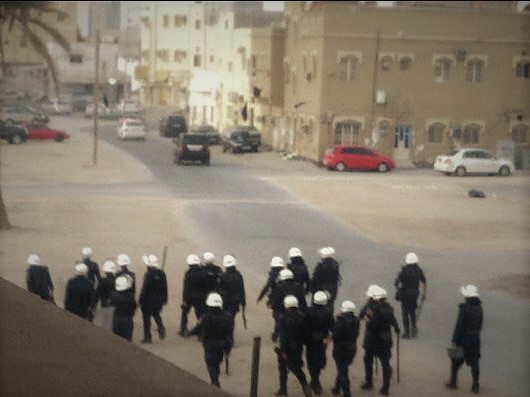
On March 22nd, Bahraini security forces dressed in civilian clothes raided 18 homes in Diraz, vandalizing and looting the houses before arresting a total of 10 people. Those who were taken into custody are Hussein Mohammed Saleh, Sayed Ahmed Sayed Majid, Hassan Mulla Ali Jassem, Mohammed Fadel Abdul Rahim, Hassan Abdul Khaleq Jassim, Hassan Isa Al Fatlawi and Qasim Aqeel Fadl, and notably Ali Abdullah Qassim, the son-in-law of top Shia cleric Sheikh Isa Qassim, who has been under de-facto house arrest since the revocation of his citizenship in June 2016.

A day later, in the 24 hours between March 23rd and 24th, 32 more Bahraini Shia were arrested in separate raids carried out by security forces. Two raids took place in Diraz, detaining 17 and 15 people respectively, and 1 raid occurred in the Northern village of Buri that involved the looting of a house, before ultimately arresting two brothers, Abdullah and Mohammed Saleh Mahdi. The raids took place without any police warrants, and the 32 Shia Muslims were detained without any charges being brought upon them.

In the early hours of March 26th, security forces raided dozens of homes in the villages of Diraz, al-Daih, al-Musalla, and Jidhafs, forcibly kidnapping 17 citizens and transporting them to an unknown location, where it is feared that they will be tortured into false confessions; a practice routinely carried out by the government. Of those kidnapped are: Ahmad Saleh, Yousif Saleh, Jaafar Hani, Hussein Hani, Mohammad Shaker, Amjad Abdullah, Sultan Isa, Hussein Al-Khair, Montazar Al-Khair, Sayed Mohammad Sayed Hussein, Ali Bader Al-Jaziri, and Rouh Alla Abduzahraa, Hussein Mushaima, Ali Al-Shamloul, Abdullah Jaafar Al-Samoum, Ahmad Samir ,and Rida Mohammad Ali Zainuldeen.

Two days later, 9 more Bahraini citizens were sentenced to prison on fabricated charges of terrorism. 8 men received 7 years in prison each, and one minor was sentenced to 3 years in prison. On the same day, award-winning photojournalist Sayed Ahmed Al-Mousawi had his 10-year sentence upheld, and his citizenship revoked. Mousawi was arrested in 2014 after documenting a series of protests that year, and convicted in 2015 on terrorism charges.

In a report published on March 29th, a 15-year-old arrested by the Bahraini regime came forward to say that he had been tortured and forced into signing a confession that said he was guilty of arson, although he was not. This exemplifies the illegitimacy of Bahrain’s criminal charges and allegations brought upon its Shia citizens, as when evidence is lacking, a coerced confession allows a trial and sentencing.

The Bahraini Regime continues to arbitrarily arrest its Shia citizens under the claim of ‘national security’, without any reasonable evidence to back the allegations they claim. The false allegations and charges of ties to Iran due to its majority Shia population are unfounded and exemplify the corruption and discrimination against the Shia population in the country as institutionalized anti-Shia issues that affect the everyday lives of Bahrain’s majority population.

In a continuation of Bahrain’s effort to decrease the majority of Shia citizens in the country and strip their rights to fair trial, medical attention, education, employment, and housing, Bahraini officials have refused to grant citizenship to the daughter of a prominent Shia leader and activist, Sheikh Ali Salman, even though she has all of the necessary legal documentation. Her father has been serving a 9-year prison sentence since 2014 after being arrested on charges of “insulting government officials” and “inciting unrest” after peacefully protesting for government reform.

On March 9th, Shia citizens in the northern villages of Abu Saiba and Shakhora, which are west of the capital city of Manama, took to the streets to protest, calling for government reform and a political system that represents all Bahrainis, including Shia. The protests did not end there, however, as even behind bars in a Bahraini prison, 49 year old Hajer Mansoor, who was sentenced alongside her 18-month old son last October both on terrorism charges, began her second hunger strike to protest against the treatment of prisoners in Bahrain, and was admitted to the hospital on March 9th.

Her protests are not unfounded, as this month, Issa al-Mutawa, a prisoner in Bahrain’s Jaw prison is being punished for his decision to observe a Shia religious occasion last month. He is, for the next two months, prohibited from purchasing any basic goods or necessities that are provided at the detention facility, which will impact his health and well being in the already unsanitary conditions.

Shortly after a Twitter campaign by activists demanding his immediate release, blind Bahraini prisoner Jaafar Maatouk was moved to solitary confinement. Maatouk is currently serving a life sentence on politically motivated charges and was stripped of his citizenship in 2014. In the days following, the Interior Minister of Bahrain stated that he was looking into a new law that would “deal with unprecedented chaos by disruptive social media accounts”, essentially threatening to punish online activists for exercising their freedom of speech.

Bahrain’s Shia population continues to suffer under the backlash of oppressive Regime force. The astounding number of Shia citizens arbitrarily arrested every day, and the lack of fair trial for their population makes living in the Gulf country a nightmare for Shia Muslims, and does not take the weight off of living elsewhere, as the regime continually strips the citizenship of those traveling outside of Bahrain’s borders so that they are unable to return.

Bahrain’s human rights situation is in need of immediate attention as the government’s daily offenses against the majority of its civilian population need to end.

Afghanistan

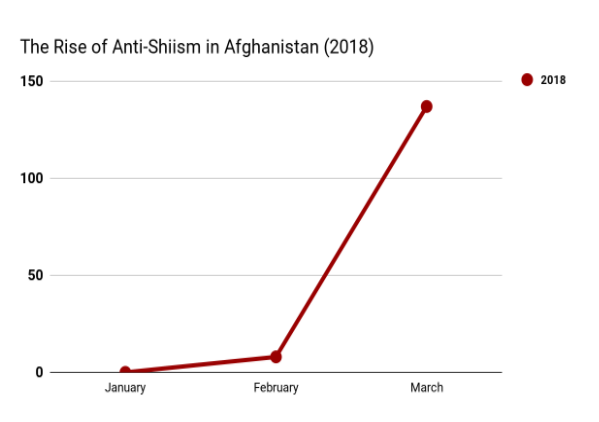
Afghanistan saw its first sharp rise in anti-Shiism this year with an increase in the targeting of Shia mosques and neighborhoods. The rising presence of radical extremism in Afghanistan can be held accountable for the increase in attacks against the Shia population in the country. This month, Afghanistan saw 41 deaths and 96 injuries among the casualties of targeted attacks against Shia Muslims.

On March 10th, a bomb was placed and detonated outside of a Shia mosque in Kabul, as civilians of the Shia faith had gathered in remembrance of Abdul Ali Mazari, an ethnic Hazara political leader who was killed by the Taliban in 1995. The blast took a total of 9 lives and left 18 others critically injured.

Just over a week later, 5 Shia university students were critically injured by a grenade blast in their Shia-dominated neighborhood. The attacker disguised himself by wearing a school uniform into the academic campus, and detonated the grenade on a suicide mission, with the goal of killing the Shia students that he targeted. While no group claimed responsibility for the attack, the takfiri motives resemble that of a number of extremist groups that continually target the minority Shia population because of their beliefs.
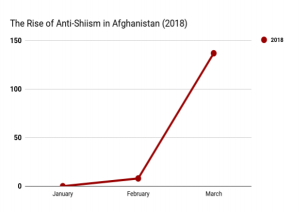
On March 22nd, terrorists affiliated with Daesh detonated a bomb outside of a Shia shrine in the Karte Sakhi are of Kabul, where a large number of civilians were gathered to celebrate Nowruz, the start of the Persian New Year. The blast, clearly targeting the Shia population, took the lives of 31 people and injured an additional 65.

Three days after this bombing, another targeted suicide attack killed 1 person and critically injured another 8. The bombing took place outside of a Shia place of worship, similarly to the tactics of most anti-Shia attacks this month. Two suicide bombers attempted to enter the mosque but were met by security forces. One of the bombers was killed before he could detonate his device, but the other detonated his causing the civilian casualties.

The Shia population in Afghanistan faces persecution from extremist groups who take refuge there due to the political instability of the country. Groups such as ISIS regularly attack Shia population because of their religious belief. The death and injury toll among Shia Muslims was much higher this month than the first two months of this year, and it is important to note that the high number of casualties resulted from just 4 events, targeted at places of worship and schools. The number of events and the locations they take place are a clear indication of anti-Shiism in that the groups that carry out these attacks are not only obviously targeting the Shia population, but also targeting the Shia population in mass numbers, with a purpose to kill indiscriminately. These events are not isolated but are the end-product of a string of radical ideologies across the country that look down upon the Shia population and seek to abolish them.

Pakistan

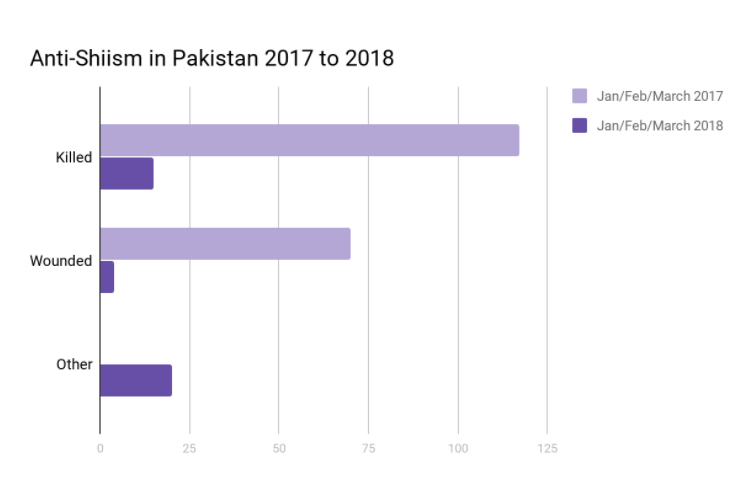
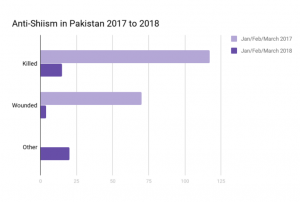
Pakistan’s Shia Muslims, similarly to Afghanistan’s, face the constant threat of terrorist attacks, and a lack of serious government intervention to stop extremist groups from acting on their anti-Shia sentiments, which allows for radical ideologies to flourish. The ASWJ (Ahlu Sunna Wal Jama)  terrorist group is responsible for the majority of attacks against Pakistani Shia. The first three months of 2018 have shown to be much calmer in Pakistan than the same time period last year, however, the continued targeting of Shia Muslims whether in mass numbers or minute, exemplifies that the anti-Shia sentiments are still present in the minds of many.  This month, the ASWJ group killed 4 Shia civilians, injured 3, and brought 20 others upon fabricated blasphemy charges through a connection to Pakistan’s JUI (Jamiat Ulama-e-Islam), a religious and political party.

In the first week of the month, there were 3 separate targeted attacks on Shia Muslims. The first, which took place in Kohat, resulted in the death of a primary school headmaster. The attacker was not identified as he fled the scene immediately. The following two shootings occurred in Quetta, and resulted in the death of a Shia Muslim youth, Sajid Ali, and a policeman protecting fruit sellers of the Shia Hazara community. Another policeman was also injured in the attack. 
A fourth shooting took place in Karachi on March 22nd, taking the life of Ameer Ali as he was driving in his car near Memon Hospital. Members of the ASWJ group open fire into his car killing him immediately and injuring two-year-old Ali Asghar, son of Ali Imran, and 30-year old Ali Raza, who were passengers at the time.

On March 17th, terrorists from the aforementioned ASWJ group made their way into a Husseineyah (an Islamic center) in Dera Ismail Khan, and ransacked the place of worship before destroying and defacing the holy symbols of Shia Islam. This attack reminds us that although most attacks in Pakistan are individual shootings, the ideology behind the action involves a deeper level of anti-Shia sentiment, and brings to light that the targets are not random civilians, but specifically Shia Muslims.

This is further exemplified 3 days later, when Abdullah Sindhi, a member of the ASWJ terrorist group, used his connections within the JUI to bring a case of blasphemy upon 20 Shia Muslims who were chanting religious slogans praising their Imam in Sind, Pakistan. The case was brought up in an attempt to defame Shia Islam and to regard those who follow it as blasphemous and punishable by law, in an attempt to make the religious discrimination in Pakistan political, rather than just extremist.

The issue of terrorism is prominent in Pakistan and must be addressed, as not only are the killings of Shia Muslims wreaking havoc on the daily lives and security of those living in the country, but it is beginning to infiltrate into the political system as exemplified through the blasphemy case. If the ideologies of these extremist groups are able to gather momentum and influence in the politics of Pakistan, the continual abuse of Shia Muslims could become institutionalized and systematic, which would escalate and justify violence, and deteriorate the standard of living for Shia Muslims in the country.

Iraq

Iraq faced another month of turmoil in March with the continuation of ruthless bombings by what is assumed to be the takfiri tactics of Daesh. The country saw a total of 20 violent incidents this month, the majority of which came in the form of roadside bombings. Iraqi Shia lives through the threat every day of being targeted by extremist groups, as most days entail multiple different bombings from the time of sunrise to sunset. In March, a total of 14 Shia Muslims were killed, and an additional 60 were wounded due to targeted attacks on followers of Shia Islam. 
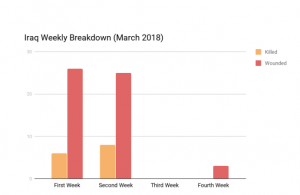
On the first day of the month, a total of 2 people were killed and 4 people were wounded in two separate attacks. The first event took place outside of a popular Baghdad market, at which an explosive device was detonated killing 1 and injuring 4. The second attack on March 1st occurred in Baghdad as well and killed 1 man when a sticky explosive device placed under the wheel of his car was detonated.

No less than 24 hours later, another roadside bomb exploded west of Baghdad, killing 1 and critically injuring 2 others. This attack was followed closely by another on March 3rd, where the bodies of two Shia men were found in the southeast of Baghdad. In a turn away from the typical method of bombing bringing terror to Iraqi Shia, these two men were deemed to have gunshot and stabbing wounds, suggesting that the aggressor was physically attacking them at the time of their deaths.

March 4th and 5th brought 7 more people to the hospital with critical injuries from three separate bombing attacks in the east and south of Baghdad. 2 people were injured by a roadside bomb, and the other 5 were injured by explosive devices at popular markets in the city.

The 6th through the 8th of the month injured a total of 13 Shia, and killed 1. All of these casualties were the result of explosive devices detonated in the typical Daesh areas such as on a roadside or at a popular market in or around Baghdad. The first week of March alone saw a total of 26 injuries and 6 deaths among the Shia population, averaging 4 casualties each day. The ability for takfiri groups in Iraq to continually target the Shia population needs to be put to an end, and Shia Rights Watch condemns the continual allowance of targeted attacks against Shia Muslims in Iraq.

The attacks did not stop there, however, as the next 5 days brought more chaos with the death of 8 more civilians and the injury of 25. The majority of these attacks were a string of roadside bombings in and around Baghdad, killing a total of 5 and wounding 24. 3 deaths came as a result of a shooting, in which a member of Daesh broke into a home and shot and killed a doctor and two women. In a separate event, 1 person was injured when extremists threw a grenade into a cafe as they drove by on motorcycles.

Lastly, on March 26th, 3 more civilians were injured when an explosive device was detonated in their Baghdad neighborhood.

The Shia population in Iraq is constantly terrorized by the animosity of extremist groups that seek to abolish people that follow Shia Islam as it differs from their own beliefs. Religious tolerance must be discussed openly and implemented through legal means in order to work towards ending the chaos in Iraq and put an end to the abuse that extremist groups exercise.


Iran

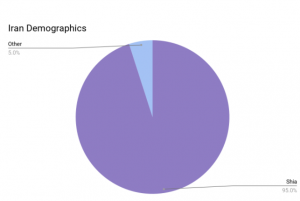
Iran, although a Shia majority country, Many Shia scholars, and activist are under pressure. Historically the government of Iran does not tolerate political critiques or calls for reform, therefore, although one may be Shia, openly sharing views and perspectives that go against government policies or actions can lead to persecution in the country and did this month.
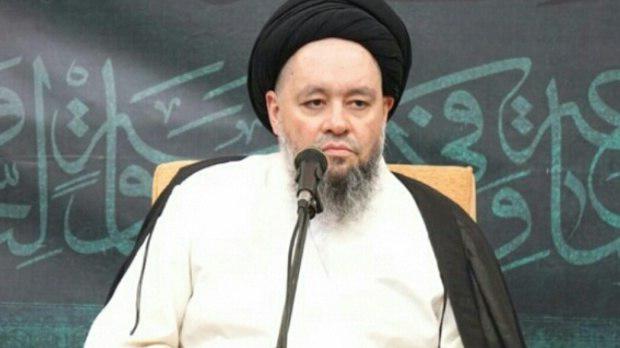
Early on March 6th, Ayatollah Sayed Hussain al-Shirazi, prominent Shia cleric and Executive Director of the Shirazi Foundation, was stopped by Iranian security forces on his way home from his morning lectures with his father, Grand Ayatollah Shirazi. He was forcibly pulled out of his car and thrown to the ground, where the security forces removed his turban, degrading him in public. He was then detained and transported to an undisclosed location.

The act is a continuation of previous years’ crackdowns on relatives and supporters of the Grand Ayatollah Shirazi, whose organization is both non-political and non-profit, and works to promote the social welfare of Muslims and all people through education, research, think tanks, and media. The foundation also acts as a link to inquiries about the Shia faith and Islamic Law.

The organization and its affiliates are under constant pressure by the Iranian government, due to their non-government affiliated critiques of Iran’s governance, and Iran attempts to repress their freedom of speech and freedom of expression through arbitrary arrests and use of force against the supporters and family members of Grand Ayatollah Shirazi.

This event brings concerns of an emergence of anti-Shiism in Iran, which regards itself as an Islamic republic, as those who express their religious views and critique how the Islamic republic should operate based off of the same religious views it was founded upon are punished by arrest and imprisonment. Iran must allow its citizens the freedom of expression to speak openly about both their religious views and their political views, otherwise, they are denying a fundamental right to their Shia people; a right that they condemn other countries for taking away from the same population.

Saudi Arabia

Saudi Arabia is a repeat oppressor of Shia Muslims, as the very school of religious thought that their kingdom is founded upon disagrees with the belief system that Shia Islam follows. While much of the abuse in Saudi Arabia goes unreported by the government, it is known that often Saudi Shia are convicted on false allegations of “blasphemy” and “terrorism” for exercising their religious freedoms, and imprisoned with harsh sentences including, but not limited to, death. 

Two men from Saudi Arabia’s Shia-majority Eastern province were each sentenced to 20 years in prison in Saudi Arabia this month. They were convicted on the fabricated allegations of having ties to Iran, a common theme in the oppression of Shia Muslims, and for intent to create political unrest and disrupt the unity of Saudi Arabia. These charges act as a facade to the systematic repression and discrimination against Shia people in the country.

While death may be the harshest punishment, the prisoners in Saudi Arabia also suffer incessant torture and abuses in prison, which resulted in two casualties this month. One prisoner, Ahmed Attia was tortured so brutally in Saudi prisons after being deported from Bahrain that he lost his memory entirely, and another prisoner, 61-year-old Haj Ali Jassim Nazia, was tortured to death in Saudi Arabian prison on March 13th.

The brutal force used by the Saudi regime to eradicate religious freedom from the Kingdom of Saudi Arabia is a breeding ground for extremist sentiment and fosters the very thoughts that spread around the world and lead to the widespread abuses against the Shia population.

Conclusion

The month of March saw over 100 more incidents of anti-Shiism than the month of February, making a statement in numbers and in lost loved ones that the Shia population is continuing to face a multitude of abuses around the world. From extremist groups bombing masses of people, to targeted shootings, to systematic oppression through government policy and military force, the Shia population fears for their lives and families every day, and action is taken by governments and the international community to put a stop the ruthless repression. Shia Muslims deserve to be treated with dignity rather than as second-class citizens, and their assailants, whether they be extremists or government officials, must be brought to justice.


 

Anti-Shiism in Iran: An Internationally Renowned Scholar Arrested

UPDATE: On Sunday, March 18th, after 12 days of sleep deprivation and psychological torture,  Sayed Hussein Shirazi was released on Bail waiting for the Court date.Therefore, he has been under house arrest until the further notice. Defending Human Rights must not discriminate, everyone should have a right to speak up for injustice in any part of this world.


Iranian Intelligence Services attacked one of Shia’s most internationally renowned scholars, Seyed Sadiq Shirazi, in Qum and arrested his son today, March 6, 2018.

Local advocates report the forces attacked the clergy’s vehicle, forced his son Seyed Hussain Shirazi, out of the car, and removed his turban degrading him in public, as the father and son were returning home from their daily lecture.

Forces arrested Seyed Hussain Shirazi.  Seyed Hussain has been targeted many times by the same forces in the past on allegations of inciting public unrest through a critique of the government’s lack of tolerance on free speech.

Seyed Hussain currently acts as the Executive Director of Shirazi Foundation, a multi-national humanitarian and educational organization with special consultative status with the United Nations.

The followers of the clergy are concerned for his health as he suffers from a heart condition.

There is a growing concern over the safety of Seyed Hussain as Iranian forces have used extreme torture such as burning with oil, reverse-hanging, flogging, denial of food and water, among other methods of torture, in the past.  There have been some reports by Amnesty International, Human Rights Watch, Shia Rights Watch and other human rights organizations critiquing the extent of the attack and human rights violations toward the Shirazi family in the past.

Arbitrary arrest and assault toward the scholar have provoked some peaceful protests in front of the Iranian embassy in Iraq, the United Kingdom, Kuwait and other Gulf countries in which the Seyed has hundreds of educational, spiritual and public service centers.

The recent attacks on the Shirazi family bring forth concerns of re-emerging anti-Shiism in the Republic of Iran.

Iranian Special Clerical Court has refused to respond to any inquiries by NGO’s, family and community members, thus far.

Shia Rights Watch strongly condemns the violent and unlawful act of the Iranian government.  This NGO invites human rights activists to stand up for the rights of Shia Muslims and urges the Iranian government to respect the rights of Shia Muslims.

Further, Shia Rights Watch demands the immediate release of Seyed Hussain Shirazi.


Incidents of Anti-Shiism in February, 2018

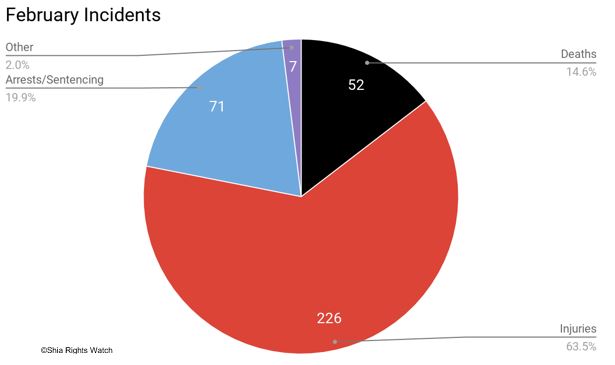
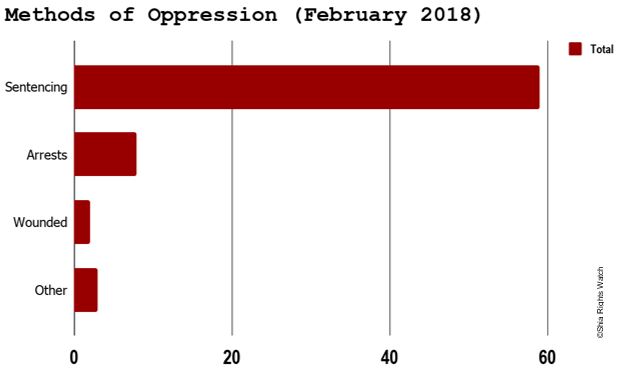
February proved itself to be a much less violent month than January, with sources reporting  343 incidents of Anti-Shiism, half of last month’s 673. However, the crackdowns on freedom of expression and incessant discrimination against the Shia population led to 52 deaths, 226 injuries, 71 arrests and harsh sentencing, and seven related anti-Shia actions, including but not limited to, sectarian slander, police brutality, and vandalism.

Anti-Shia incidents were witnessed in countries including Bahrain, Saudi Arabia, Iraq, Pakistan, Nigeria, India, and Canada, while peaceful protests and essential meetings on religious tolerance were held in the United States, United Kingdom, and Italy.

Saudi Arabia


The government of Saudi Arabia continues to crack down on the Shia minority through both passive and active means. The country stood witness to 3 arrests, and two corrupt trials resulting in harsh sentencing on Shia civilians.

This month, Saudi Arabian officials were caught creating and using some fake social media accounts which produced thousands of posts per day to propagate anti-Shia and sectarian sentiments. The statements are also used to drown out dissent on social media by spamming popular hashtags and media feeds.

In addition to social media attacks, three young men were taken into custody by Saudi regime forces on February 11th, after their home was raided without warning. Two brothers, Hani and Ali al-Faraj, and one minor Hussain al-Zanadi were arrested as Saudi forces continue their attacks on the Shia-majority Eastern Province.

On the same day, a Shia civilian was sentenced to 20 years imprisonment by the Saudi court in Riyadh for alleged terrorism, and February 21st saw the death sentence handed down to another on ‘security threat’ charges.


Bahrain

In the month marking the 7th anniversary of the 2011 uprising, Bahraini Shia saw yet another month consumed by regime crackdown. The government continues to hold responsibility for the mistreatment experienced by its citizens through means of violence and systematic oppression. Bahrain has seen a slight turn away from violent Regime attacks, but has witnessed an increase of the Regime’s brute force against the Shia population through a more hidden personification of oppression in the form of court sentences handed down to “security threats.” The country saw 66 Shia Muslims jailed or sentenced in court, 25 of which had their citizenship stripped leaving them stateless; 2 were documented as injured from prison torture, and activists were met with police brutality in an attempt to silence human rights advocates.

Beginning on February 1st with the sentencing of 32 individuals in Bahrain’s High Criminal Court, 1 defendant, Moosa Abdallah Moosa was sentenced to death as the alleged responsible party for a crime that occured 3 years ago in 2015, while 13 defendants were handed down life sentences, 8 defendants were sentenced to 15-years imprisonment, 4 defendants received 3 to 5 years’ imprisonment, and 6 individuals were acquitted; 25 of the 32 defendants were also stripped of their citizenship.

On the 1st of the month, 4 Bahraini citizens were also deported after the upholding of a 2012 sentencing that revoked their citizenship on the count of “damaging state security,” however, they were not informed as to what damage they imposed. Of the four deported were three brothers, Mohammed Ali, Abdul Amir, Abdulnabi Al-Mosawi and his wife, Maryam Redha. This deportation comes as the second half of 8 Bahraini citizens, 4 of which were deported two days prior on January 30th. This string of deportations shows an increasing abuse of power from the regime, as the generalization of what it means to be a “threat to state security” is unclear and leaves room for a significant amount of unfounded arrests and harsh sentences.

Ten others were sentenced by the court on February 6th and charged as anti-regime activists, guilty of multiple unfounded charges with, “forming “unlawful” gatherings of more than 5 people” among the few. 5 of the defendants were sentenced to 10 years in prison, and five were handed down five-year sentences.

President of the Bahrain Center for Human Rights, Nabeel Rajab, was sentenced to an additional five years in prison over tweets that condemned the Saudi-led war in Yemen and Manama’s treatment of prisoners. He was arrested in 2016 and is currently serving a two-year sentence for “spreading rumors and false information” about the government in television interviews. His sentencing came after weeks of international condemnation of his imprisonment and calls for his release. The Manama court’s actions have been slammed by human rights organizations as a “mockery of justice.”

On February 21st, five family members, Amal, Iman and Fatima Ali, and two of their husbands, Mohsen Al-A’li and Ali Al-Shagal, were sentenced to 3 years in prison, each on politically motivated charges of “covering up for a wanted person.” Madina Ali was also sentenced to three years on the same charges. Death sentences were issued against three more civilians, and several other citizens were sentenced to 15 years in jail after coerced confessions.

A 7-year jail sentence was upheld for a 22-year-old citizen accused of participating in the February 14th Coalition, and the al-Wafi Islamic Party; both of which are groups that publicly oppose the Regime’s exclusive and discriminatory policies.

Bahrain saw a total of 7 arrests this month. Three citizens were arrested in the early hours of February 3rd after a security raid took place orchestrated by the Ministry of the Interior. The arrests were made on the basis of political accusations, exemplifying the Kingdom’s policies that thwart free speech and whistleblowers of human rights violations. Of those arrested in the raids were Ali Mohammad Hassan and Abbas Jassim Bu Hamid from al-Malikiya village, and Mohammad Al-A’am from A’ali.

On February 25th, four more men were arrested after their homes were raided by security forces. The reason for their arrests has still not been disclosed.

Sheikh Isa al-Moemen, Shia cleric and Imam of al-Kheif Mosque in al-Dair village, was also placed under arrest this month and sentenced to 3 months in jail after being accused of inciting hatred against the regime in a sermon he delivered on July 29th, 2016. Moemen has already served a sentence from the same accusation verdict over an address he gave on August 5th, 2016, having experienced the Regime’s unruly policies multiple times.

Behind bars, reports surfaced this month that citizens in Bahraini prisons are being abused, beaten to false confessions, and fed through containers that previously held cleaning supplies, exploiting a massive human rights concern and furthering the mistreatment of the imprisoned Shia majority.

On the days before, and the days following the protests that marked the 7th anniversary of the 2011 uprising, many demonstrations took place, and protesters were met with the brutal police force, used in an attempt to disperse those gathered to commemorate the ongoing battle for political justice and change. Police used tear gas to break up crowds resulting in injuries. However, the extent of these injuries is not known. Due to the lack of freely available medical attention to the Shia population, as well as the fear of Regime backlash, injured Shia protesters often go without medical care, allowing for the number of activists injured to remain unknown. Breaking up the peaceful protests to halt all public dissent against the regime is another way in which Shia Muslims are continually marginalized in Bahrain and denied their right to freedom of expression.

Freedom of expression was also halted this month in Bahrain as the ban on Friday prayer at the Imam Al Sadiq Mosque in Diraz, the largest Shia congregation, continued for the 85th consecutive week. Armored vehicles created a blockade outside of the building, along with concrete barricades and security checkpoints throughout the city.

A total of 72 Anti-Shia incidents occurred this month in Bahrain alone, adding to the sum of 569 this year so far. As activists continue to stand up for their rights and their beliefs, the government crackdowns continue to get more vicious. Freedom of speech or expression, when used to speak against injustices carried out by the Regime, is seen as a terrorist activity, “threat to national security,” and slander. Shia in Bahrain are continuously unable to speak out and advocate for their rights due to the threat of jail, deportations, and death.

Pakistan

Pakistan’s Shia Muslims are routinely the victims of anti-Shia extremist groups, which are met with a lack of government action, turning the situation into a free-for-all allowing anti-Shiism to flourish.

This pattern held true in February with two shootings; both carried out by takfiri terrorists belonging to the Ahle Sunnat Wal Jamaat (ASWJ; formerly Sipah-e-Sahaba) group, which resulted in the deaths of 2 civilians in the Dera Ismail region of Pakistan. Of the two men murdered were Iftikhar Hussain, and Motiullah, the custodian of Mohallah Shaheen Imam Bargah, a Shia place of congregation and ceremony.

The lack of government action to pursue and prosecute the terrorists involved in the attacks led to some massive, but peaceful, protests in the Dera Ismail region to draw attention to the injustices done by allowing the extremist cells to continue operating and targeting Shia Muslims without repercussion.

Nigeria


Nigeria entered its second month of daily protests calling for the release of Sheikh Zakzaky, the head of Nigeria’s Islamic movement who was arrested in 2015 and has been detained at an unknown location without charges since.

While the protests took place in a peaceful manner, some were still met with backlash and brutality leading to the arrest of some Shia protesters. Beyond arrests came the death of Sheikh Qaseem Umar Sokoto, who was shot by Nigerian Police while peacefully protesting for the release of Sheikh Zakzaky. Sokoto died two weeks later due to complications from his wound.

Iraq

Iraq has seen a sudden jump in terror activity and strategic attacks in Shia-majority regions this year, stemming from a previously steady rise in civilian casualties and injuries as the efforts to push these groups out of the country grow stronger. Iraqi Shia were victims to some roadside bombings and other various attacks carried out by extremist groups this month, which caused 45 deaths and 198 injuries, averaging nine incidents per day.

Many bombings in Iraq target areas around the Shia-majority regions of Baghdad and the city of Ramadi, with militant groups typically targeting unsuspecting civilians at famous souqs or markets. This month, detonations of IED devices took the lives of 17 Shia Muslims and left an additional 73 severely wounded and hospitalized. Gunmen claimed the lives of 8, wounding 6, and targeted poisoning left 17 dead and 140 taken ill.

The poisoning took place on February 13th, after members of an anti-Daesh, Shia PMF coalition ate at a restaurant in the Shia area of al-Khalis in the province of Diyala. All members were rushed to the local hospital, with the more critical cases being transferred to centralized medical centers in Baghdad. The details of the poisoning itself currently remain under investigation, as mayor of al-Khalis, Adi Alkhaddran, called for an in-depth analysis of what is anticipated to be deemed an intentional attack.

In addition to bombings, extremist groups like Daesh also take part in the kidnapping and murder of civilian Shia Muslims. In a series of kidnappings this month, two Shia men fell victim to takfiri tactics and were found dead a day after they were kidnapped by the group.

One of the more hopeful events of February took place in Iraq as well, as the college of Jurisprudence at the University of Kufa organized a symposium to discuss rapprochement of the Shia and non-Shia sects of Islam. Dean of the college, Dr. Waleed Farajallah hoped to seek effective inter-faith dialogue to create unity and clarify the image of Shia Muslims. The occurrence of this seminar is a positive step for the advocacy of

Shia rights and non-discrimination in Iraq.

USA/UK

In the United States and the United Kingdom, protesters gathered outside of the Bahrain Embassy on February 14th to stand in solidarity with Bahrain’s Shia Muslims and to commemorate the 7th anniversary of the 2011 uprising.

Additionally, on February 6th in the UK, a group of activists protested outside of the Bahrain Embassy in London to demand the release of activist Abdulhadi Al Khawaja, who is serving a life sentence over his role in pro-democracy protests in 2011.

Protests outside of Bahrain’s borders draw international attention and recognition to the human rights violations at hand carried out against Shia Muslims. Raising awareness for the injustices Shia Muslims have, and continue to face on the mainstream media of Western countries gives an amplified voice to the Shia in Bahrain, among other countries, whose voices are met with the threat of persecution and left unheard.

Italy

Various religious leaders, academics, and policymakers met with Pope Francis after a seminar titled, “Violence in the Name of Religion,” which was organized by the UK-based Wilton Park Institute in cooperation with Pontifical Council for Interfaith Dialogue at the Vatican.

Al-Khoei stated “The Seminary in Najaf and the Supreme Religious Authority have played an essential role in disseminating tolerance and moderation while focusing on social justice, human rights and dignity regardless of religion, sect, and nationalism,” in his speech directed towards academics and religious leaders from around the world.

International religious recognition of Shia rights, and an understanding and aim to secure and protect those rights in the religious community provides oppressed Shia with a world-renowned community of support and advocacy for their freedom from persecution. The increasing amount of global acknowledgment to the prejudice faced by Shia creates an increasing pressure on government and religious authorities to reconcile their beliefs and policies with Shia Muslims both in their countries and abroad.

Canada

Canada experienced an unusual case of anti-Shiism this month when prayer stones in University of Toronto praying room were vandalized and a letter was left stating:


“To the Shia’s: No such thing as following Imam Ali.

And no such thing as using a stone for praying.

– Kind Regards.”

Aside from the hopeful international recognition of Shia Muslims, the public condemnations such as this are a constant reminder that there is much left to be done. While policies can be installed to lessen the suffering of Shia at the hands of government, and many governments do engage in non-discriminatory practices, ideology proves to be a much more difficult issue to tackle. Without a stress on religious tolerance, the mindsets that foster the poisonous thoughts of anti-Shia sentiments will continue to flourish. The problem of anti-Shia discrimination can not be solved unless the conversation of inexclusive peace and acceptance is taught without fail in religious communities.

Conclusion

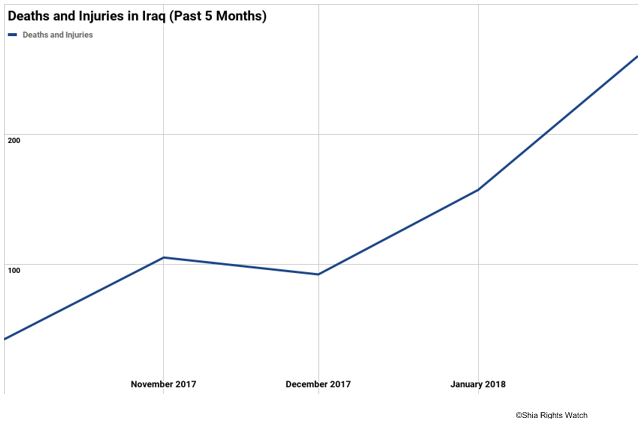
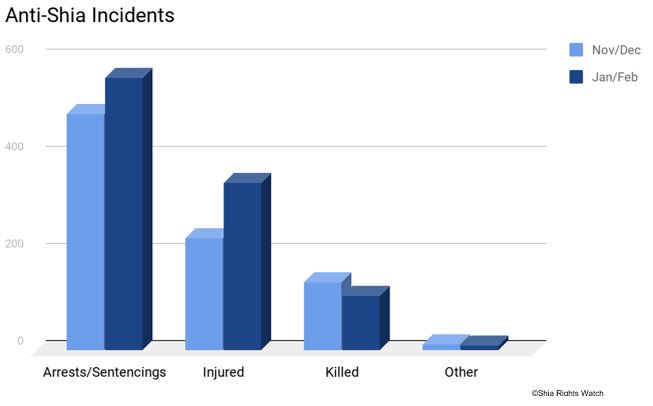
The first two months of 2018 have seen a new spark in Anti-Shiism, seeing more incidents in January and February than the final two months of 2017, which were part of a steady decline of Anti-Shia episodes. This February, while significantly calmer than January, was riddled with twice as many injuries, and a similar number of deaths, giving way to the realities of repression and persecution that Shia Muslims experience on a daily basis. However, resiliently pursuing through the hardships, Anti-Shia targeted acts were met by activists with peaceful protests against the injustices they face, using their voices and rising amid the threats of detainment and death.

This new emergence of Anti-Shiism in 2018 exemplifies and emphasizes that there is still much work to be done to correct the systematic repression imposed by government institutions, as well as to correct the discriminatory mindsets and ideologies that inspire extremists to conduct attacks against Shia Muslims.

Freedom of expression is a key to lessen the suffering and discrimination endured by Shia Muslims, as silence creates complicity and complicity masks the issues at hand. Shia Rights Watch will continue to give a voice to those without, until every Shia Muslim has access to basic human rights and fair treatment.


What is in it for Pakistan to support Anti-Shiism?

Pakistan has played a mysterious role in anti-Shia coalitions, killings, violation and more at an international level.

Historically Saudi Arabia is known for its Anti-Shia activities. This country not only violates the rights of its Shia population, but it also fuels and funds anti-Shiism in other countries. Saudi-backed educational institutions exist all over the world, including the United States. These academics preach intolerance toward minorities, Christians and Shia included. Also, Saudi Arabia employs, founds and deploys preachers to all countries around the world dominating mosques and Islamic studies entities. It is well known that Saudi Arabia has always “claimed” leadership in Islam either by influencing Islamic nation’s governments or Muslims’ religious practices through its preachers. Having the desire to be “the leader of Muslim nations,” it is no brainer that Saudi Arabia benefits from supporting mainstream Muslims and suppression Shia Muslims who openly critique this countrynon-Muhammad like extremist behaviors!

In a way, Saudi’s involvement in anti-Shiism is justified!

What is a mystery to me is Pakistan’s similar behavior. How is Pakistan being benefited by elevating systematic anti-Shiism inside its country and supporting it outside its borders!

At least one of every five Pakistani is Shia Muslim. Over the years, the Shia of Pakistan has been specifically targeted and killed by guns and suicide bombers. They have been murdered inside mosques and shopping markets, while on a pilgrimage to Iran and even at funerals. Most Shia attacked by individual extremists are reportedly professionals and well-educated people who held a critical position in government, academia, and economy. Currently, there are some Shia scholars and clerics in abstentia in this country. No matter how many Shia killed, attacked, violated and kidnapped, this population receives NO protection from the government.

Pakistan not only suppresses its Shia citizens, but this country also aids other Shia violator governments.

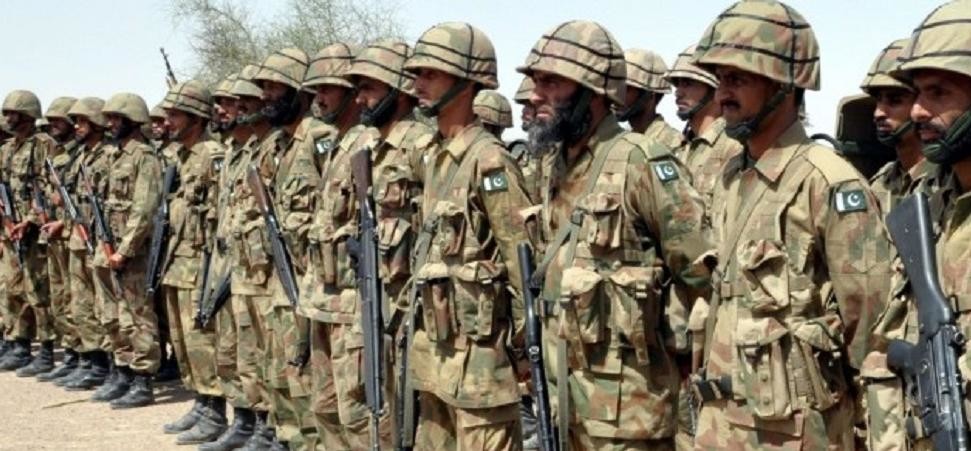
Pakistani troops in Bahrain and Saudi Arabia play essential roles. Imprisoned Shia in Bahrain and Saudi Arabia have always reported and complained that the torturing staff and guards are mainly Pakistani troops. These troops do not understand or speak Arabic, so the needs of imprisoned Shia could never be heard! Adding to the mental pressure of the Shia inside jails.

And now the Pakistani army has decided to send more troops to the Kingdom of Saudi Arabia.

In 2015, Saudi Arabia requested Pakistan to provide ships, aircraft, and troops for the Riyadh-led war on Yemen. To oppose such aid, on April 2015, a resolution was unanimously passed at the Pakistani parliament, stipulating that the Asian country had to stay neutral in the conflict in Yemen “to be able to play a proactive diplomatic role to end the crisis.” However 2015’s resolution is not preventing this country from deploying troops to Saudi Arabia.

Although the exact role the troops will play is unclear, the mission was specified as training and advisory.

The question remains:

Why Pakistani troops are found where Shia rights are being violated?!


UN Complaint