March 2021 stood witness to continued violence against Shia Muslims. Anti-Shiism in the forms of arrests, sentencing, lack of due process, injury, and killing reported to Shia Rights Watch spanned four countries.
The reports of violence listed in this report have been verified through collaboration with grassroot advocates and confirmed by local investigations.
Shia Rights Watch notes incidents of violence on the basis of identity are often unreported by victims in fear of further violence and alienation. Trends listed in this report represent a fraction of Anti-Shiism faced by the international Shia Muslim community.
Afghanistan
Locals report 91 incidents of direct violence in the nation of Afghanistan, spanning from the cities of Herat, Kabul and Nangarhar.
Among attacks are the following.
Kabul, the capital of the nation, is home to prominent attacks against Shia Muslims. Early in the month, two attacks kill 3 and injure 12 Shia Individuals. Within days, another attack kills one and injures one other.
In Herat, a car bomb killed seven and injured at least 50 others. The bomb caused indiscriminate damage as many of those affected by the bomb were women and children. Locals further reported massive infrastructural damage in residential and commercial buildings.
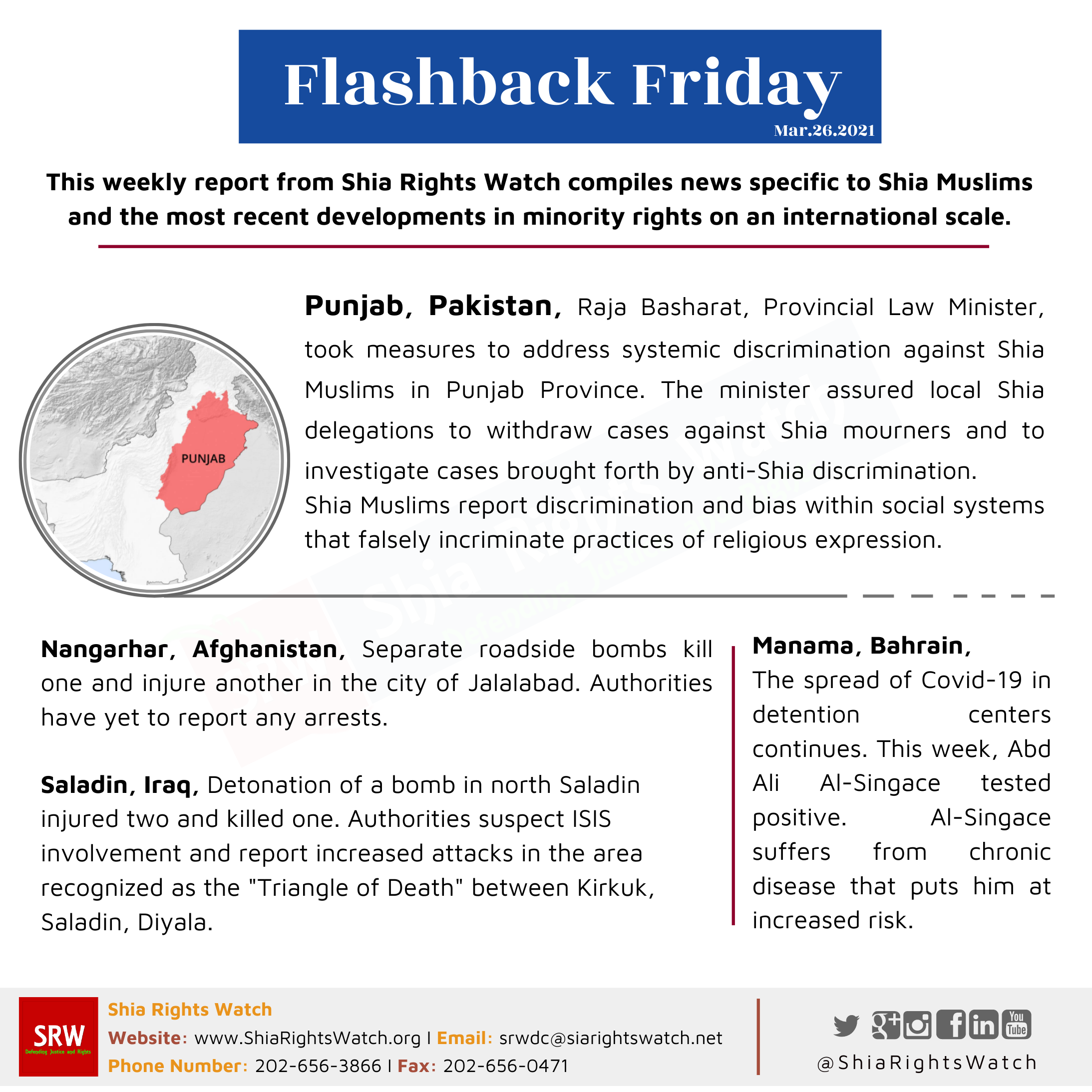
In Nangarhar, separate roadside bombs kill one and injure another in the city of Jalalabad.
Shia Muslims in Afghanistan exist as a minority group. None-the-less, they occupy major cities such as Kabul and Herat. They play significant roles in the development of the country. However, due to the prominent Anti-Shia sentiment, their role in the nation is largely undermined.
Bahrain
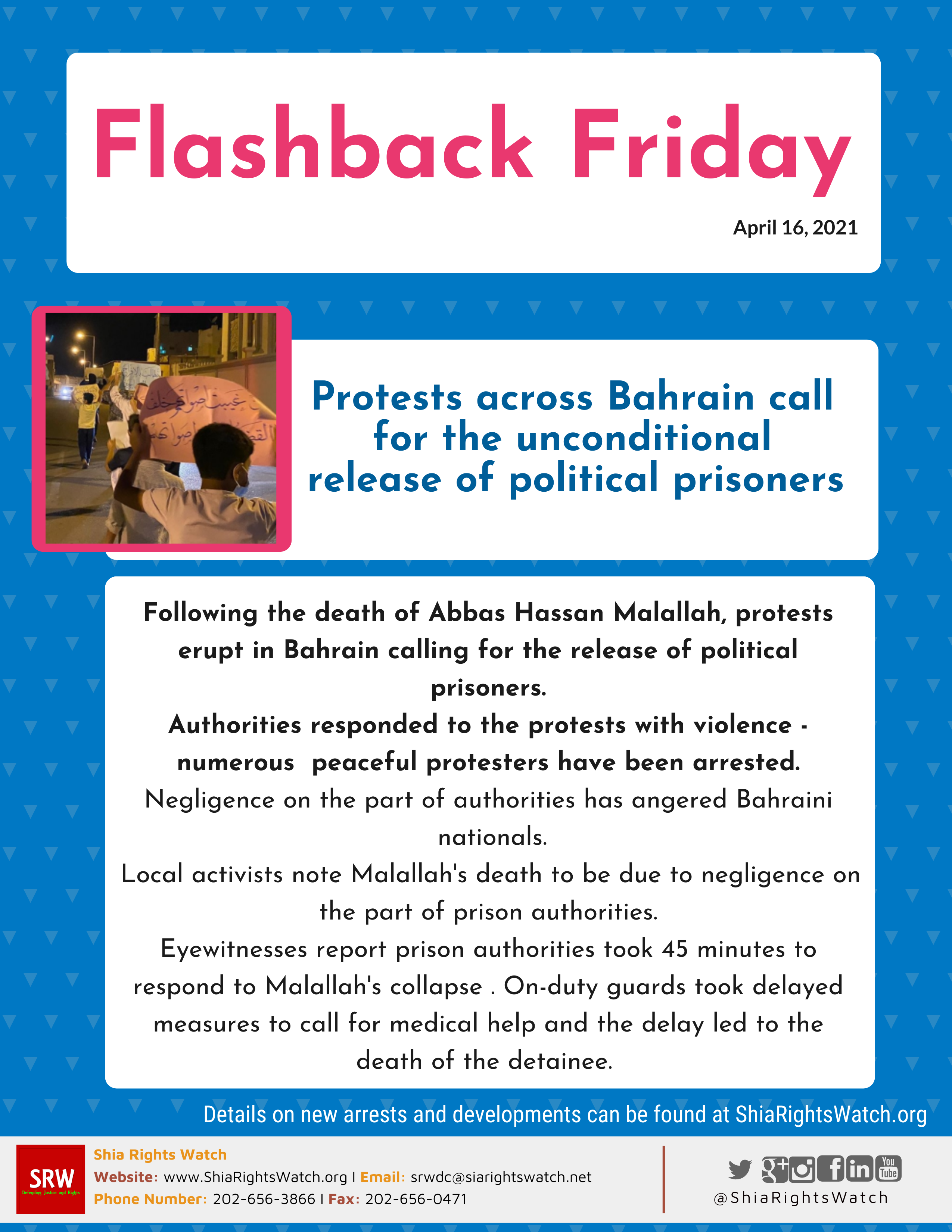
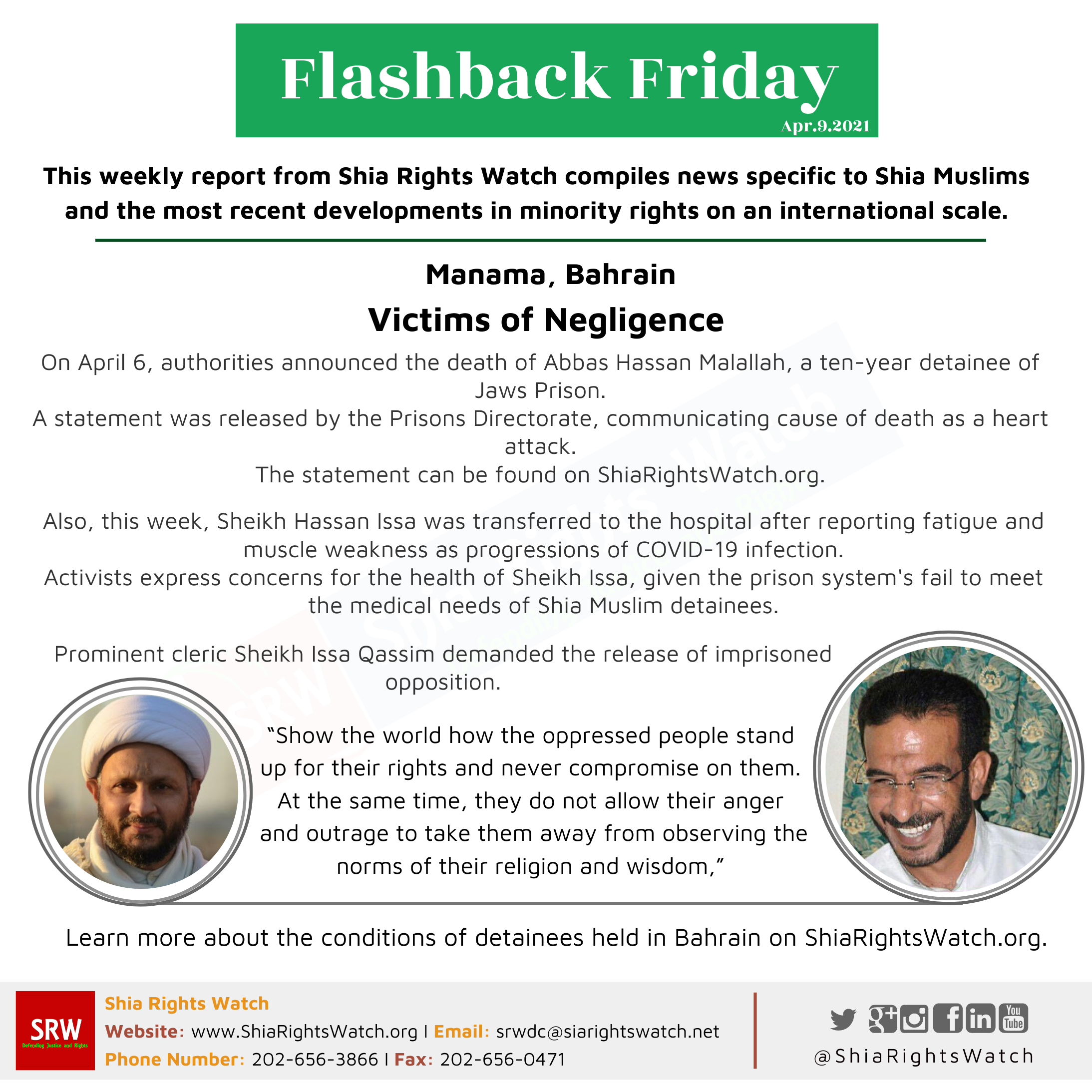
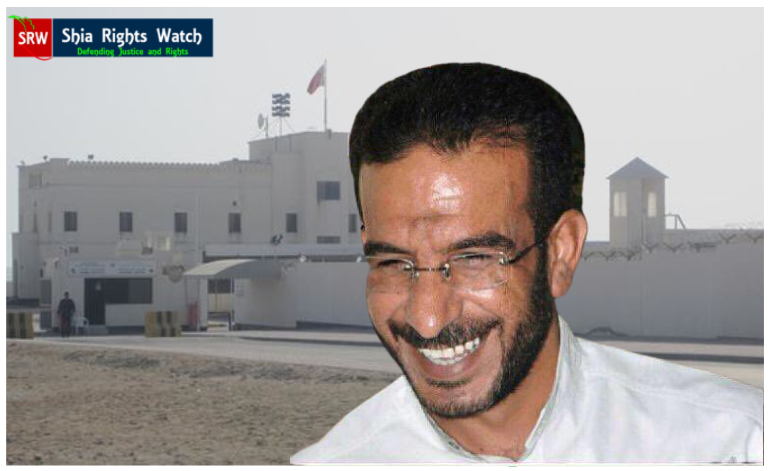
In the month of March, concerns over progression of COVID-19 in detention centers across Bahrain. Activists voiced concerns as authorities ignore basic human needs and fail to meet the medical needs of detainees.
The spread of Covid-19 in detention centers continues. This week, Abd Ali Al-Singace tested positive. Al-Singace suffers from chronic disease that puts him at increased risk.
Irish Foreign Minister Simon Coveney voiced concern over human rights violations against political dissidents in Bahrain early in the month. He noted the denial of medical treatment to Shia detainees and called for the immediate release of Hassan Mushaima, the secretary-general of the Haq Movement. Ali Mushaima, son of Hassan Mushaima, reports his father’s deteriorating health and Bahrain’s lack of compliance to the UN’s Standard Minimum Rules for the Treatment of Prisoners, also known as the Mandela Rules.
Sheikh Qassim, the prominent Shia cleric, also called for the immediate release of political prisoners. He furthered that the release of prisoners is the first step in successful reconciliation between critics and the government.
“The release of political prisoners and all prisoners of the political movement is necessary for justice and will be a serious introduction to reform if it happens”
Shia Muslims in Bahraini detention centers face inhumane hardships. Authorities fail to ensure safety for the detainees and frequently ignore reports of violence.
The family of Shaikh Zuhair Ashour reported attempted murder at the hands of a prisoner detained on charges of rape and drug-related charges. In a statement, the family expressed concerns for Shaikh Ashour.
“On Sunday (March 14, 2021), at 2 PM, while Sheikh Zuheir was going to the prison’s yard (the fence), he decided to head to the television hall at first. The criminal prisoner was at the same place, and as soon as Sheikh Zuheir was about to leave the hall after spending some minutes watching television, the prisoner attacked him from behind and tried to strangle him and break his neck. Sheikh Zuheir defended himself and could escape. While Sheikh Zuheir was attempting to defend himself, the prisoner’s officers came and took the criminal prisoner to another place.”
Bahrain’s failure to protect and meet the needs of it’s detainees is in large part due to negligence.
Iraq
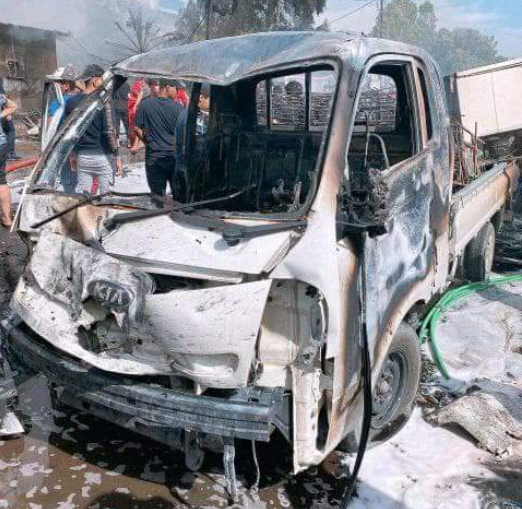
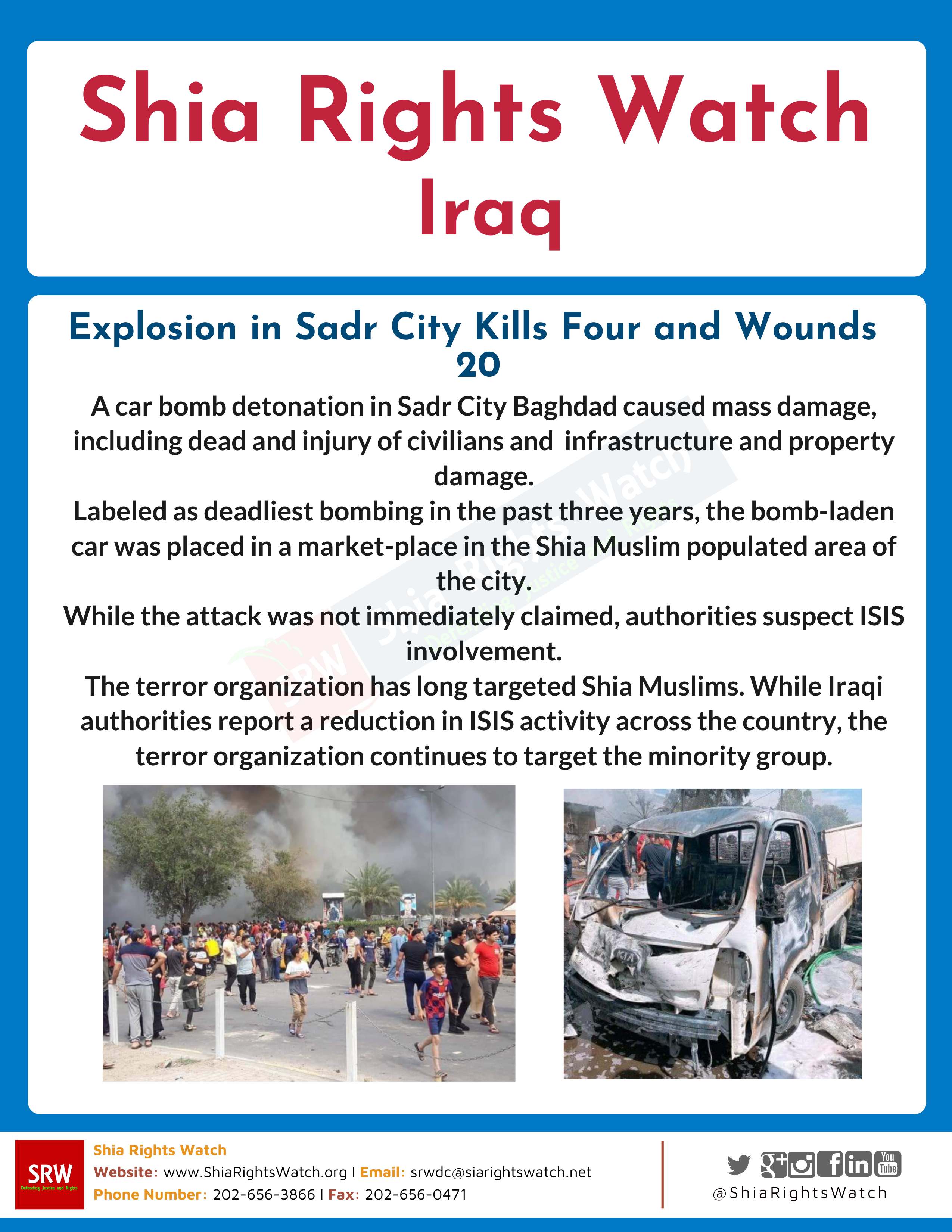
Across Baghdad, Kadhimiya, Diyala, Kirkuk, Karbala, and Saladin, Anti-Shiism has led to the death of 21 and the injury of 33 others.
Despite a reduction in ISIS activity being reported by the authorities, Shia Rights Watch notes continued targeted violence against Shia Muslims by the extremist organization. While a number are foiled, there remains a high prevalence of violence in the hands of Shia Muslims.
In many cases, Shia individuals are assassinated by gunmen who go unpunished. Mass-violence is also seen in locations with religious significance to Shia Muslims.
On March 9, suicide bombers threw 2 hand grenades into a crowd of pilgrims in Kadhimiya, north of Baghdad. One of the bombs detonated in a garbage can near the al-Aimmah Bridge, while the other was thrown directly into the crowd of pilgrims traveling on foot to the local shrines in a commemorative ceremony. Local authorities report three assailants had already been detained and their plots had been foiled.
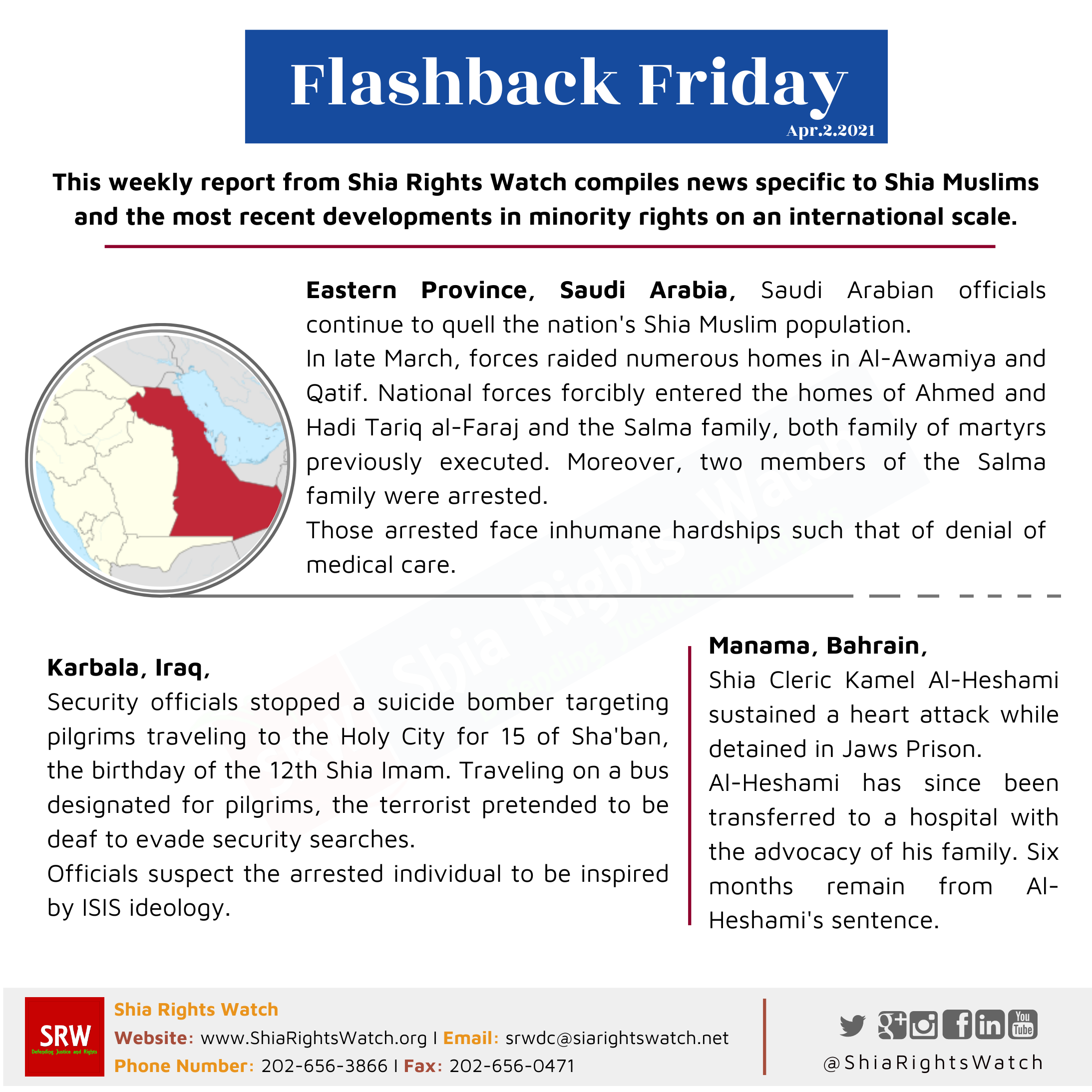
Later in the month, authorities in Karbala, a major hub for Shia Muslims, reported the arrest of an assailant traveling on a bus. The assailant feigned ailment to avoid scrutiny.
Saudi Arabia
In the month of March, nine incidents of direct violence were reported to Shia Rights Watch. The majority of Anti-Shiism reported was perpetuated by the authorities.
Family of martyrs Ahmed and Hadi Tariq al-Faraj and the al-Salma family reported raids on their homes.
Two were arrested from the al-Salma family.
Shia Rights Watch notes violence against Shia Muslims in Saudi Arabia is largely systemic and cultural. None-the-less, direct violence is frequent and perpetual.